On this page
There is no shortage of articles comparing targeting models and CPMs across these three. This one deliberately does not. It compares the thing that actually decides whether you can run on a platform next week: the creative you have to produce, and why a strong asset on one platform is often unusable on the others.
Last verified: 2026-08-17. ChatGPT ad figures are changing frequently and are sourced below; Meta and Google specs are comparatively stable but you should still confirm against each platform's own docs before a build. LocalAds makes ad creative and does not place ads on any of these platforms.
The short version
| ChatGPT Sponsored card | Meta feed | Google Responsive Display | |
|---|---|---|---|
| Primary ratio | 1:1 only | 4:5 (feed), 9:16 (Stories/Reels), 1:1 | 1.91:1 landscape plus 1:1 square |
| Image size | 256x256px min, ~512x512 target | 1080x1350 typical | 1200x628 and 1200x1200 |
| Headline budget | 16 to 24 characters | ~27 to 40 characters | 30 characters, 90 for long headline |
| Body budget | 32 to 48 characters | ~125 characters before truncation | 90 characters |
| Text on the image | Avoid entirely | Common and often effective | Limited, and the layout is assembled for you |
| Assets per campaign | One square per topic cluster | Many, across several ratios | Multiple images, headlines, descriptions |
| What decides performance | Whether the product reads at thumbnail size | Thumb-stopping power in a scrolling feed | Machine assembly across many placements |
Three genuinely different creative problems. The rest of this explains why.
The ratio problem
This is the part that catches people out, because it is not a preference, it is a hard constraint.
ChatGPT accepts one shape. A 1:1 square. There is no landscape option, no vertical option, no carousel of your best statics. If your library has no squares, you cannot run.
Meta wants vertical, mostly. 4:5 dominates feed because it occupies more screen. 9:16 for Stories and Reels. Squares still work but give away height.
Google wants both, and will crop. Responsive Display asks for landscape and square and then assembles combinations across a huge placement inventory, cropping as it goes.
Here is the same product, built for two of those placements:
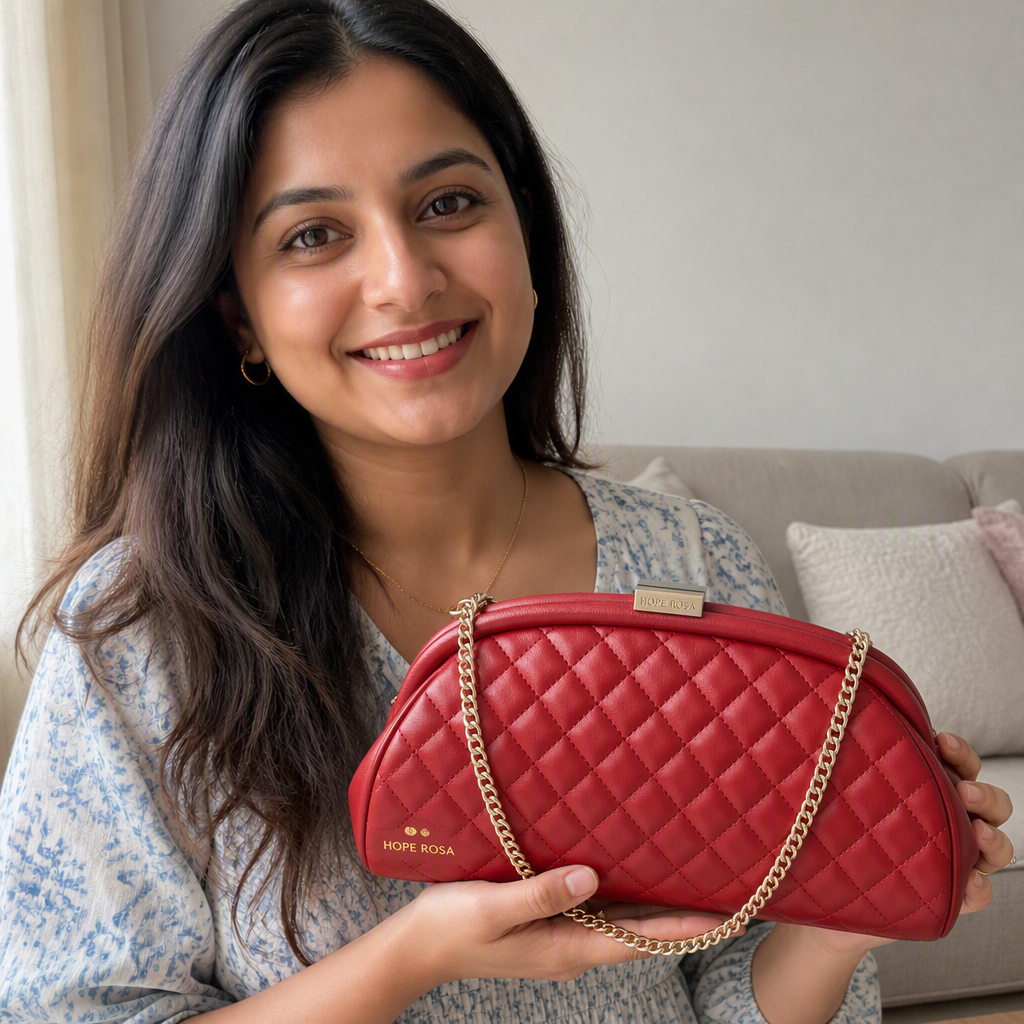
1:1, built for a small card. Product centred, no text, legible when it shrinks.
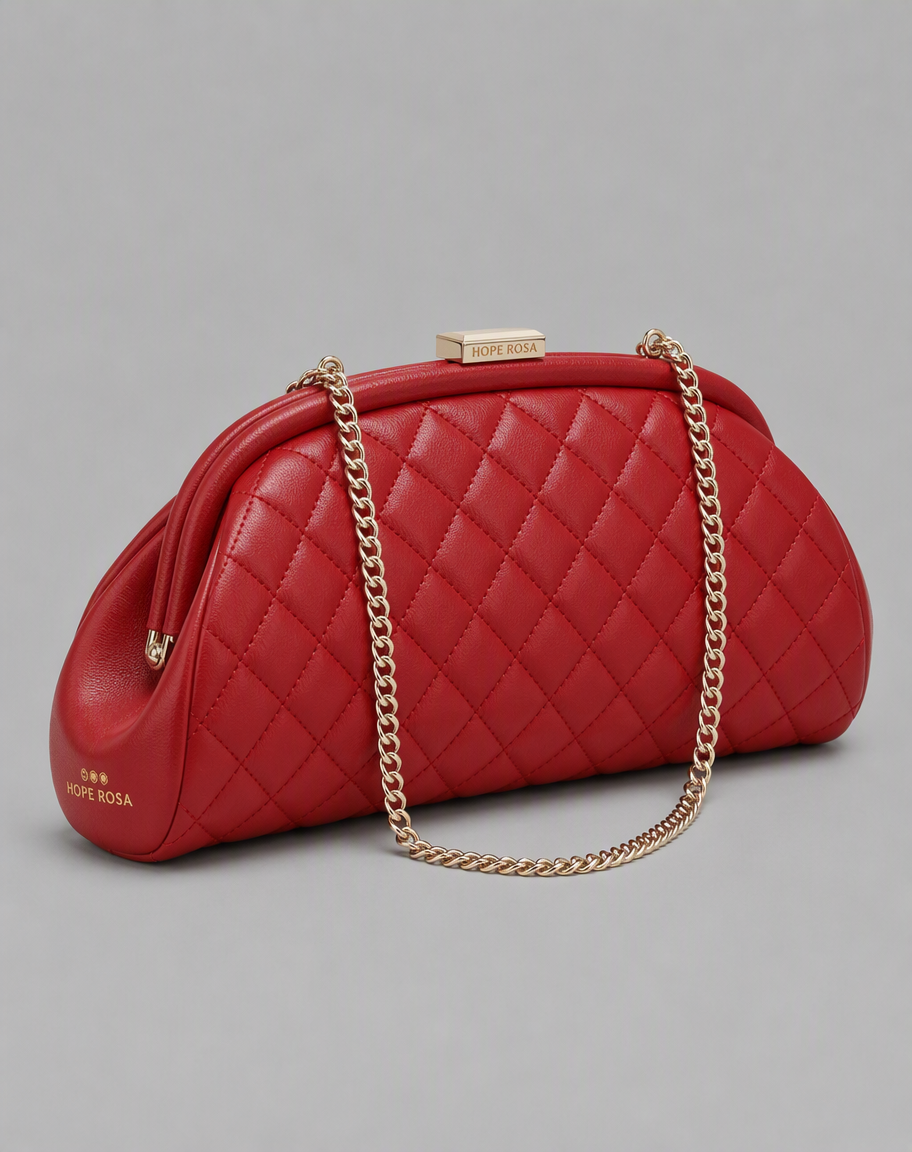
4:5, built for feed. Taller frame, more negative space above and below, room for the platform's own text furniture and for a headline overlay if you want one.
Notice these are not the same photograph recut. That is the real lesson. Recutting a 4:5 to 1:1 crops the top and bottom, which is exactly where feed creative puts its headline and logo, so you end up with a square containing half a sentence. Producing per placement beats recutting, which is a production volume problem rather than a design problem.
The text problem
The three platforms have almost opposite conventions about where words go.
Meta rewards text on the image. Feed creative competes for attention against organic content, so a burnt-in headline, a badge, a price flash, and a visible CTA all earn their place. The platform's own text fields are secondary to what the image shouts.
Google assembles the text for you. You supply headlines and descriptions as separate fields; Google composes them with your images across placements. Heavy text on the image fights that layout and can look broken once the system adds its own.
ChatGPT gives the card the words and expects the image to stay quiet. The Sponsored card supplies advertiser name, favicon, title, and copy as distinct fields. Text baked into the image duplicates fields that already exist, competes with them, and is the first thing to become illegible at card size.
So the single most transferable Meta skill, making a static that shouts, is the one that actively hurts you on ChatGPT.
The character budget problem
A 16 to 24 character title is a different writing discipline from a 125 character primary text block. It is not the same copy shortened.
| Platform | The line you write | Example that fits |
|---|---|---|
| ChatGPT title | 16 to 24 characters | Quilted, chain strap |
| ChatGPT copy | 32 to 48 characters | Real leather. Fits a phone and keys. |
| Meta headline | ~27 to 40 characters | The clutch that holds more than lipstick |
| Google headline | 30 characters | Real leather evening clutch |
| Google description | 90 characters | Hand-finished quilted leather with a gold chain strap. Free returns within 30 days. |
Two things fall out of that table. First, ChatGPT's budget is roughly half of everything else, so it is the constraint you design to if you are writing once for several platforms. Second, ChatGPT copy that reads like a recommendation outperforms copy that reads like an ad, because it sits inside an answer the user asked for. Meta and Google tolerate promotional register; a Sponsored card inside a helpful answer does not.
Note also that some guides publish 50 and 100 character limits for ChatGPT. Those appear to describe what the upload form accepts rather than what the card displays before truncating. The reconciliation, source by source, is in ChatGPT ads specs.
The volume problem
The three platforms fail in different directions when you under-produce.
On Meta, running one creative too long produces creative fatigue: frequency climbs, CTR decays, and CPA drifts up even though nothing about your targeting changed. The fix is a refresh cadence. We covered the mechanics in why your Meta ads stopped converting.
On Google Display, under-supplying assets limits how many combinations the system can assemble, which narrows your reach before it hurts your efficiency.
On ChatGPT, the failure is relevance rather than fatigue. Because targeting works from context hints rather than keywords, one square has to be equally apt across every conversation it appears beside, and it will not be. The fix is one creative per topic cluster, which is a different kind of volume: broad rather than deep. More on that in how many creatives you need for ChatGPT ads.
Which should you actually be on
Not a fair fight, and worth saying plainly.
Meta remains the volume channel for most D2C brands. Mature auction, deep targeting, formats everyone knows how to produce for. Nothing here suggests moving budget away from it.
Google Search captures existing demand. Different job entirely, and largely a copy and landing page discipline rather than a creative one.
ChatGPT is small and new, though no longer geographically narrow. Self-serve access went from 9 markets to 52 on 2 September 2026, so the question is now inventory rather than eligibility. It is worth testing if your category is unrestricted. It is not a Meta replacement in 2026, and anyone telling you it is has something to sell.
The pragmatic read: the square set you build for ChatGPT is also usable in Meta feed and as a Google square asset, so producing it is not a bet on one channel. The reverse is not true, which is the whole point of this article.
Where LocalAds fits
One product URL, creative in every ratio these placements need: 1:1 for the ChatGPT card and Google's square slot, 4:5 for Meta feed, 9:16 for Stories and Reels. All generated from your real product page so packaging and claims stay accurate rather than being invented. Both images above are unedited output.
We produce creative. We do not place, buy, or manage media on any of these platforms, and we are not a partner of OpenAI, Meta, or Google.
FAQ
What is the difference between ChatGPT ads and Meta ads? Creatively, three things. ChatGPT accepts only 1:1 squares while Meta favours 4:5 and 9:16. ChatGPT gives you a 16 to 24 character title and 32 to 48 character copy line while Meta allows roughly 27 to 40 and 125. And ChatGPT expects a clean image because the card supplies its own text, whereas Meta rewards headlines and badges burnt into the creative.
Can I use the same ad creative for ChatGPT, Meta and Google? Not without rework. The ratios differ, and Meta creative typically carries burnt-in text that duplicates the ChatGPT card's own fields and becomes illegible at card size. A 1:1 square with no text is the most portable single asset, since it works in a ChatGPT card, in Meta feed, and as a Google square, but you will still want 4:5 for Meta feed performance.
Are ChatGPT ads cheaper than Meta ads? Reported ChatGPT figures are around a $25 minimum daily budget, a $3 to $5 recommended maximum CPC, and CPMs between roughly $18 and $65, all from third-party reporting rather than OpenAI. Comparing that to Meta is still not meaningful: the inventory is small and pricing on a new channel moves, even though availability now covers 52 markets. Treat it as a test budget, not a reallocation.
Should I move budget from Meta to ChatGPT ads? No, not in 2026. ChatGPT ads are worth a test budget if you are in one of the eight open markets and your category is unrestricted. Meta remains the volume channel for most D2C brands. The useful move is producing square creative that works in both rather than trading one for the other.
Which platform needs the most creative? Meta needs the most in absolute terms, because feed creative fatigues and needs a refresh cadence across several ratios. ChatGPT needs the most breadth relative to its spend, because contextual targeting means one square per topic cluster rather than one per product.
The takeaway
Targeting and cost comparisons will tell you where to put budget. Creative comparisons tell you whether you can show up at all. ChatGPT wants one clean square and about four words, Meta wants vertical and loud, Google wants a kit of parts. Build the square first: it is the most constrained format, the most portable asset, and the one your library almost certainly lacks.
Related reading: