On this page
Every D2C brand hits the same wall at roughly the same time: the product is good, the ads are working, and then creative fatigue arrives. CPMs climb, the three ads that carried last quarter stop converting, and the founder is suddenly art-directing Canva files at midnight. The brands that get past this wall are not the ones with bigger design teams. They are the ones that found a way to produce more distinct, on-brand creative per week than their competitors.
That is the actual job an AI ad creative tool has to do for a D2C brand. Not "make an image", because image generation is a commodity in 2026. The job is turning your product into a steady stream of strategically different, brand-accurate ads you can test, kill, and scale. This post lays out what to look for, shows real generated output across D2C categories, and explains where LocalAds fits.
What a D2C brand actually needs from an AI ad tool
Most "best AI ad tool" lists compare feature checkboxes. For a D2C or ecommerce brand, four things decide whether the tool earns its subscription:
- Product accuracy. Your customer compares the ad to what arrives in the box. If the tool redraws your packaging, shifts your colors, or turns your label into gibberish, every impression erodes trust. The creative around the product can be generated; the product itself has to stay real.
- Strategy, not just volume. Fifty near-identical layouts are not fifty tests. You need ads aimed at different audiences with different angles. The busy professional gets a different message than the athlete, even for the same product.
- Brand fidelity. D2C brands live on brand. The output has to pick up your tone, palette, and positioning from your actual store, not apply a generic "ecommerce ad" template.
- Cost per usable ad. Not cost per generation, but cost per ad you would actually run. A cheap tool that needs an hour of fixing per batch is expensive.
What good output looks like, category by category
The fastest way to judge any tool is to look at what it ships for brands like yours. Every image below is a real, unretouched LocalAds output, generated from a product URL with no prompting.
Footwear and apparel want editorial energy: the product in a world, not on a gray background. We go deeper on this category, including the fabric and colourway fidelity that drives returns, in AI ad creatives for fashion and apparel brands.

Generated for the heritage footwear brand Gola. The metallic finish, white stripes, and gum sole all match the real shoe. Only the scene is generated.
Problem-led products convert on the hook, not the photo. A good engine writes the angle into the creative:
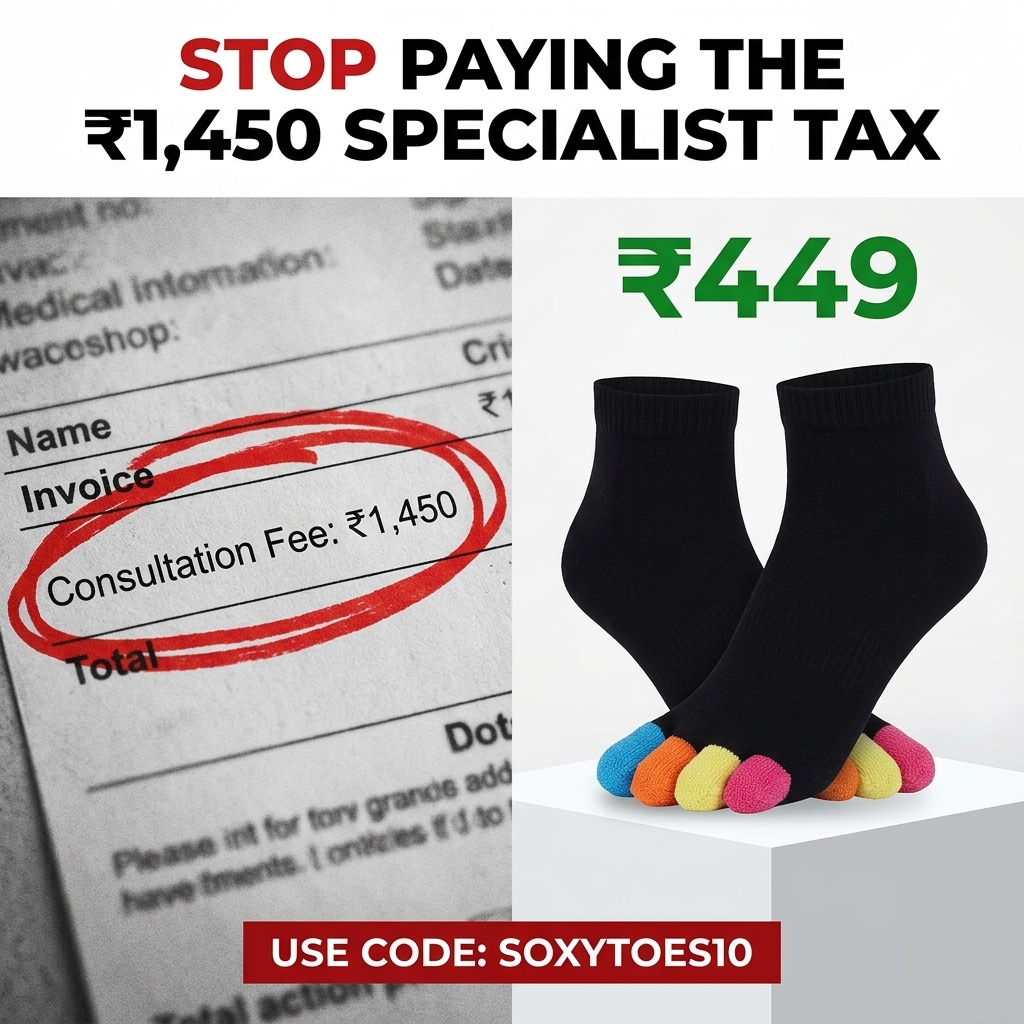
For the sock brand Soxytoes: a price-anchoring hook ("stop paying the specialist tax") aimed at the foot-pain audience. A strategy decision, rendered as a creative.
Food and supplements sell on ingredients and appetite:
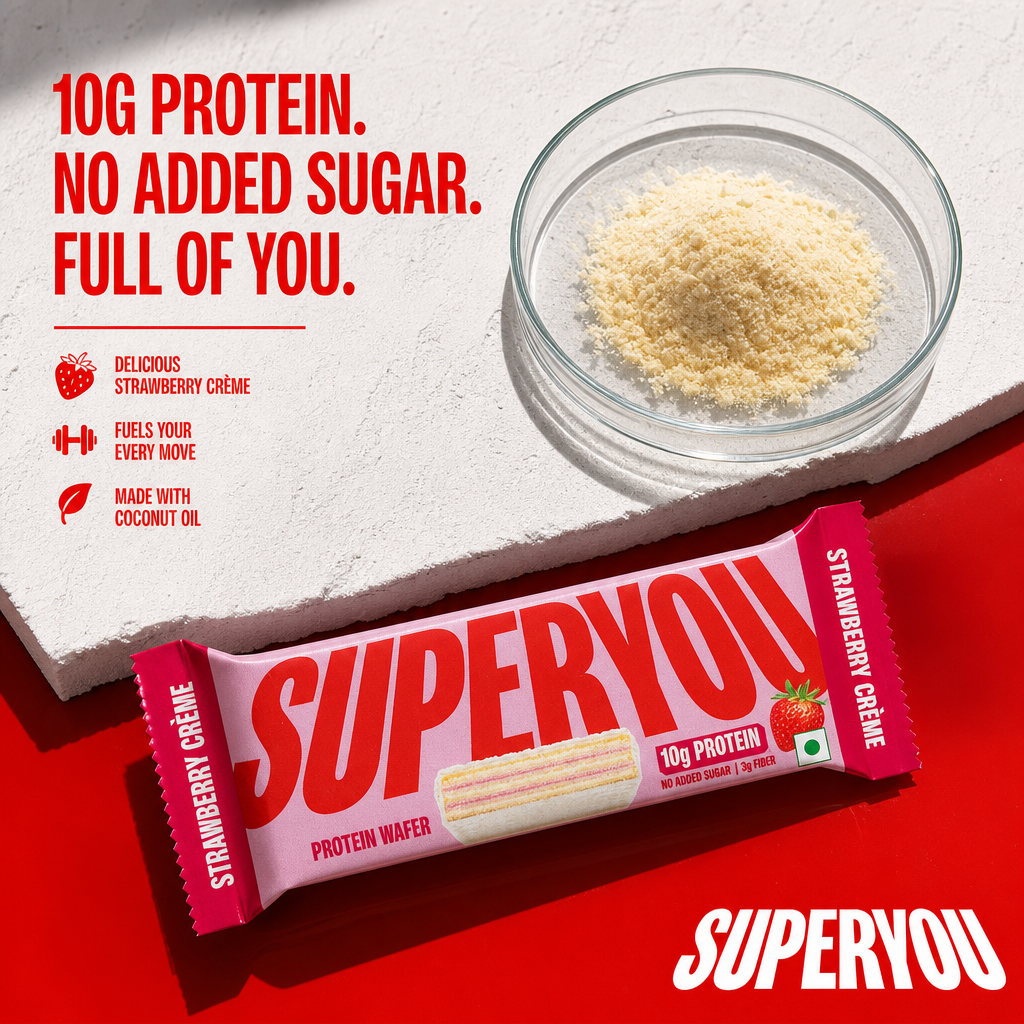
SuperYou's protein wafer with claims pulled from the product page (10g protein, no added sugar), laid out in the brand's own red.
Multi-SKU brands need range shots that still make one clear point:
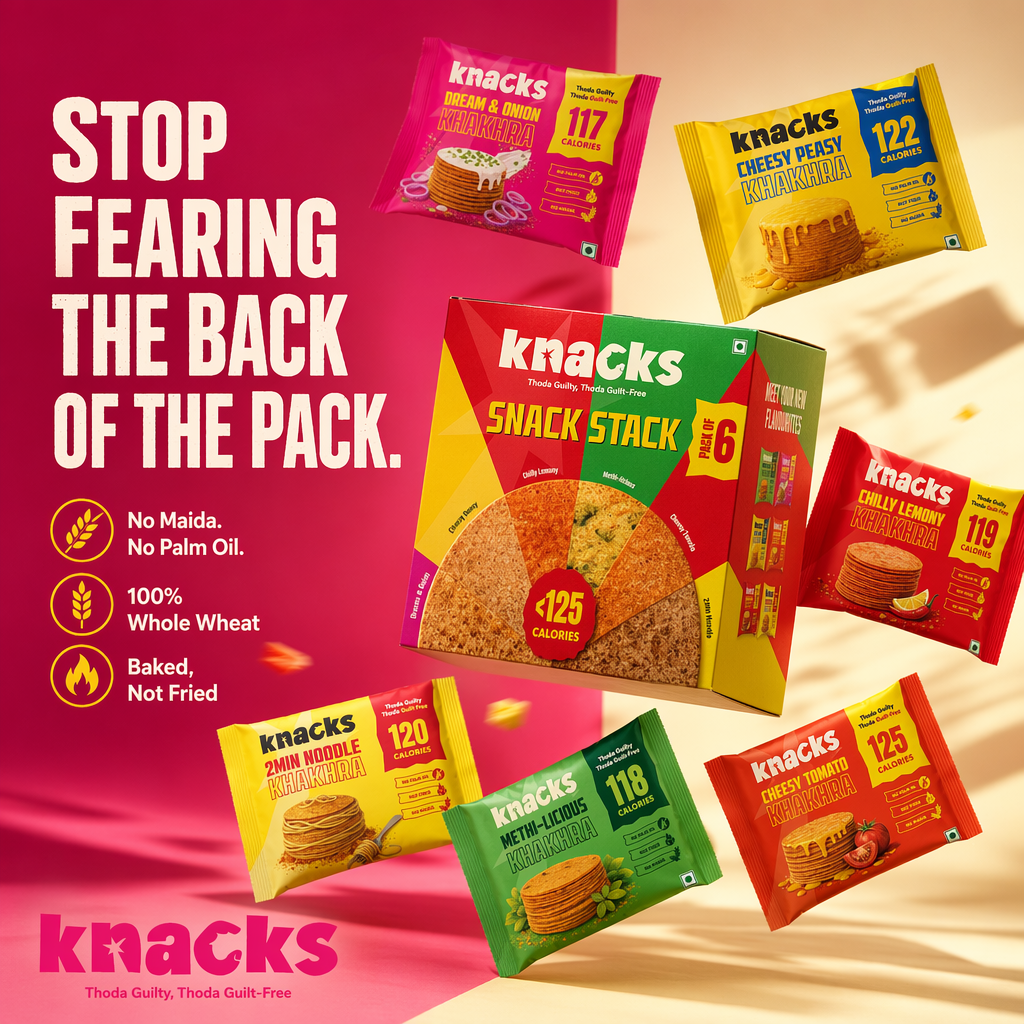
The snack brand Knacks: the full flavor range in frame, anchored by an ingredient-transparency angle with real calorie counts.
Beauty and personal care need benefit communication that still looks premium:
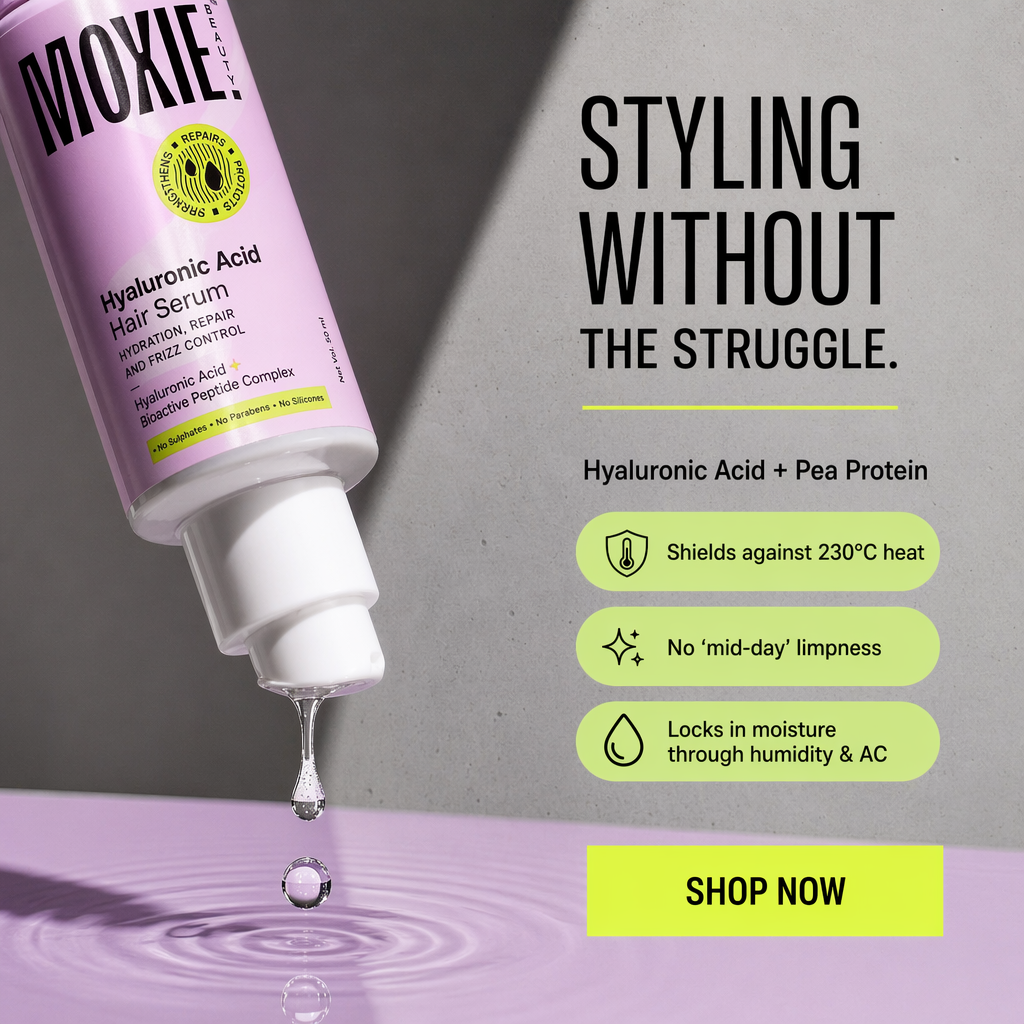
Moxie Beauty's hair serum as a benefits-forward performance ad. Heat protection, anti-limpness, humidity lock: each callout drawn from the product's actual claims. More beauty examples in our skincare and beauty creative guide.
Five categories, five completely different creative strategies, and zero prompts written. That range is the test worth applying to any tool you evaluate.
How this works: strategy first, then creative
LocalAds produces the spread above through one workflow. You paste a product URL. The engine reads the page the way a strategist would (product, price, claims, tone, audience signals) and builds a strategy tree: audience personas, each with its own angle, each angle with hooks. Creatives are rendered only at the tips of that tree, which is why a Soxytoes ad for desk workers looks nothing like a Soxytoes ad for runners. We covered the mechanics in detail in Generate Ads From a Product URL.
The same engine extends past paid social: it generates accurate product photography for your store and complete nine-image Amazon listing sets from a listing URL or ASIN. That matters because most D2C brands are also marketplace sellers.
How LocalAds compares to the alternatives
We published an honest comparison of the main AI ad generators covering AdCreative.ai, Creatify, Predis.ai, and LocalAds, and the short version holds: AdCreative.ai is strongest if you want predictive scoring inside your ad account, Creatify if your bottleneck is UGC-style video, Predis.ai if organic social is the job. LocalAds is built for the specific D2C problem this post describes: on-brand, strategy-led creative volume from your own product page, plus listings and photography from the same URL.
Pricing is also D2C-shaped: Starter at $149/month for 150 creatives and Pro at $299/month for 400, with a 3-day free trial (card required) to judge real output first. One credit is one creative, so the math stays legible as you scale testing.
FAQ
What is the best AI ad creative tool for D2C brands? For D2C and ecommerce brands specifically, the tool should be judged on product accuracy, brand fidelity, and strategic variety, not raw image quality, which has commoditized. LocalAds is built around exactly those three: it generates ads from your product URL, keeps the product faithful, and ties every creative to an audience and angle. For video-first or scoring-first workflows, see our full tool comparison.
What is the best tool to create ad campaigns with AI? A campaign is more than creatives. It is audiences, angles, and assets that map to them. Tools that only generate images leave the strategy to you. LocalAds builds the audience-and-angle structure first and binds each creative to it, so the output is a testable campaign spread rather than a folder of images.
Will AI-generated ads look like my brand? They should, if the tool derives creative from your actual store rather than templates. Every example in this post picked up its brand's palette, tone, and claims from the product page automatically. If a tool asks you to describe your brand in a prompt box, that is the warning sign.
How many ad creatives should a D2C brand test per month? Most performance teams land between 20 and 60 distinct creatives a month across 10 to 20 per testing cycle. The constraint has historically been production cost; at roughly a credit per creative, volume stops being the bottleneck and judgment (which angles to scale) becomes the job again.
How much does an AI ad creative tool cost? Entry points range from free tiers to several hundred dollars a month. LocalAds runs a 3-day free trial (card required), then $149/month for 150 creatives. The number to watch is cost per usable ad after rework, not the sticker price.
The takeaway
The best AI ad creative tool for a D2C brand is the one that turns your product page into a stream of accurate, on-brand, strategically distinct ads, because creative volume with strategy behind it is what beats fatigue. Judge any tool by its real output on products like yours, not its demo reel.
The examples above took minutes each. Start the free trial, paste your product URL, and compare what comes back against the ads you are running now.
Related reading: