On this page
A single product page contains enough information to brief 50 ads. Most teams use it to brief one.
If you run paid social, you already know the bottleneck isn't the budget or the targeting. It's the creative. Broad audiences and Advantage+ have flattened targeting to the point where the creative is the targeting. The team that ships more on-brand variations wins. The team waiting four days for a designer to turn around three static images loses, slowly, as CPMs climb.
So the obvious move is to generate ads from your product URL automatically. That promise is everywhere in 2026 (we compared the main contenders in our honest AI ad generator comparison), and most tools deliver some version of it: paste a link, get creatives, no prompt engineering. But there's a quieter problem hiding inside that promise, and it's the difference between 50 ads you can actually test and 50 ads that all say the same thing in a slightly different font.
This post breaks down what "URL to ad creatives" should actually mean: how a product page becomes a real testing strategy of audiences, angles, and hooks, and then becomes creative, without you writing a single prompt.
Why prompting was always the wrong starting point
The first wave of AI ad tools ran on prompts. You typed "make me a Facebook ad for my running shoe, energetic, blue background," and the model guessed. The output looked AI-generated because it was a guess, disconnected from your brand, your offer, and the people you're actually selling to.
Prompting fails for a specific reason: it asks the marketer to compress everything the model needs to know (product, price, claims, tone, audience) into a sentence or two. Nobody can do that well, and you shouldn't have to. All of that information already lives on your product page. The page is the brief. The prompt was just a lossy way of re-describing something the tool could have read directly.
The better starting point is the URL itself. A good engine reads the page the way a strategist would on their first day: what is this product, what does it cost, what does it claim, who is it for, and what does the brand sound like? From there, the work is reasoning, not guessing.
What "generate ads from a product URL" should actually produce
Here's where most tools stop short. They scan the page, pull your logo and a product shot, and generate a stack of layout variations. That's useful for volume, but it skips the part that determines whether the ads perform: strategy.
A product page can support far more than one message. The same running shoe sells to the marathon trainer (performance, durability), the new runner (comfort, confidence), and the design-conscious buyer (it looks good with jeans). Those aren't three versions of one ad. They're three different audiences, each needing its own angle and its own hook.
It's worth being precise about those two words, because they get used interchangeably and they shouldn't be:
- An angle is the strategic idea: the promise or the emotional payoff. "Handmade, not mass-produced" is an angle.
- A hook is how you express that angle in the first three seconds: a question, a contradiction, a number, a visual reveal. "Why your $40 sneakers fall apart in six months" is a hook for that angle.
A real URL-to-creative workflow produces all three layers, in order: audiences → angles → hooks → creative. Skip the middle layers and you don't have a testing strategy. You have wallpaper.
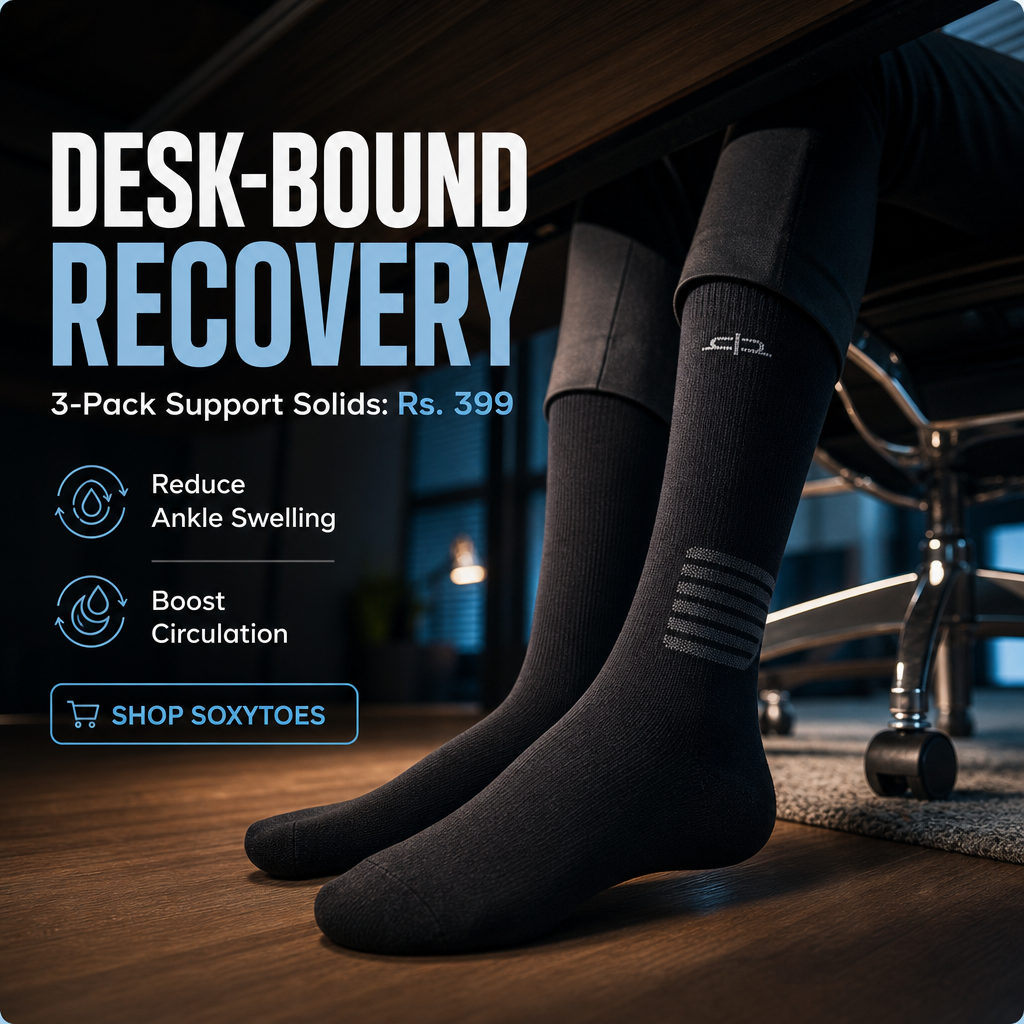
A real LocalAds output for the sock brand Soxytoes: the audience is desk-bound office workers, the angle is recovery, and the hook leads with the problem. Every element traces back to a branch of the strategy tree, generated from one product URL.
The strategy tree: one URL, many branches
The cleanest way to think about this is a strategy tree. The product page is the trunk. Each branch is an audience persona the page can credibly serve. Each branch then forks into the angle that audience cares about and the hook that expresses it. Only at the tips of the branches does anything visual get rendered.
Built by hand, that tree is a half-day of work: read the page, list the personas, write an angle for each, draft hooks, then brief a designer and wait. The thinking is the valuable part, and it's also the part teams skip when they're shipping under deadline, which is exactly why so many ad accounts run the same three creatives until they fatigue.
The point of generating ads from a URL isn't to skip the thinking. It's to automate it so the thinking actually happens every time, at volume, traceable back to the page. Every creative should answer the question "why does this ad exist?" with a specific audience and angle, not "the model felt like it."
How LocalAds does this from a single URL
This is the part LocalAds is built around. You paste one product URL. It reads the page (product, offer, claims, brand tone) and builds a strategy tree: multiple audience personas, each with its own angle and hook derived from what's actually on the page. Then it ships on-brand creatives bound to each audience-plus-angle, sized for Meta, TikTok, Pinterest, and YouTube. No prompting at any step.
The difference from prompt-based tools is that nothing is invented or pulled from a stock library. When LocalAds generated creatives for the sneaker brand Gully Labs, one product page produced 24 on-brand ads, and every one of them traced back to a branch of the strategy tree: a specific persona, a specific angle. That's the whole idea: strategy first, then creative, so the output looks like your brand and maps to real audiences instead of looking like generic AI filler.
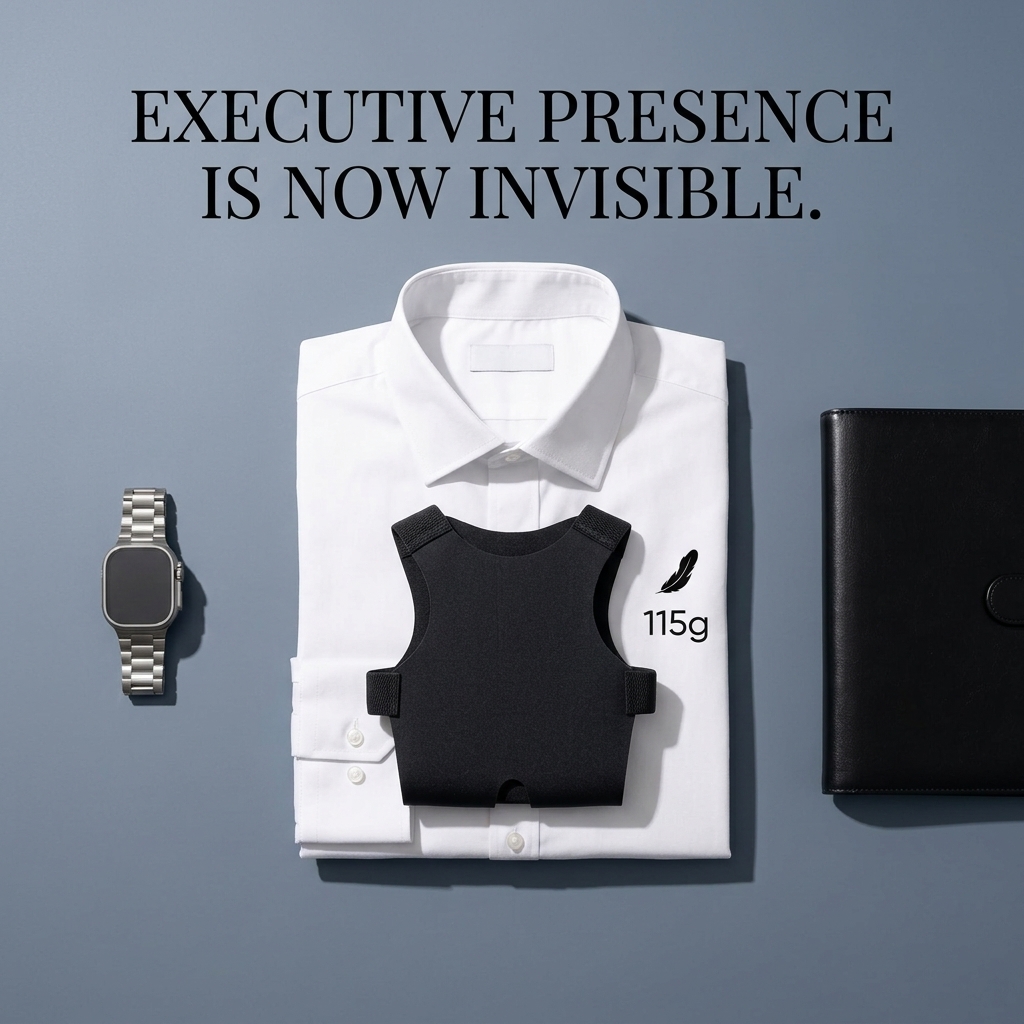
Another real run, for the comfort brand Frido: the audience branch is professionals, so the angle becomes discretion ("invisible under a shirt") instead of generic back-pain messaging. Same product page, completely different ad than the one a fitness audience gets.
If you'd rather not build that strategy tree by hand before every test cycle, that's exactly the work this automates. You can start the 3-day free trial and see the tree your own product page generates. You can also browse the showcase to see what real runs look like before you paste your own link.
What this changes about your testing
The reason creative volume matters isn't novelty for its own sake. It's that you can't know in advance which angle will win. The marathon-trainer angle might outperform the design angle three to one, or the reverse, and the only way to find out is to put both in front of the audience and read the data.
Most teams benefit from testing 10 to 20 variations per cycle: enough diversity to spot which angles and hooks are pulling weight, without drowning your reporting. When each variation is tied to a named audience and angle, your results become legible. A losing ad isn't just "the blue one underperformed." It's "the new-runner comfort angle didn't land, so kill that branch and double down on performance." That feedback loop is the actual engine of creative-led growth, and it only works if your creatives were strategic to begin with.
Generating ads from a URL, done right, feeds that loop. You get a spread of distinct, on-brand bets instead of cosmetic variations of one idea, and you get them in minutes instead of waiting on a brief-and-design cycle.
Where a human still matters
None of this removes judgment, and it's worth being honest about that. The engine gives you a strong, strategy-grounded starting spread, but you still decide which angles match your real positioning, which to pour budget into once the data comes in, and when an offer or landing page needs work that no creative can paper over. A weak product page produces a thinner tree: garbage in, fewer branches out. The automation handles the repeatable strategic legwork so your judgment goes where it's actually scarce: reading results and making bets.
FAQ
Can you really generate ads from just a product URL? Yes. A strategy-first engine reads your product page (product, price, claims, brand tone) and uses that as the brief, so you don't type a prompt. The key thing to check is whether the tool also builds a strategy (audiences, angles, hooks) from the page or just generates layout variations of a single message.
Is "no prompting" actually better, or just easier? Both, and the "better" part is the bigger deal. Prompting forces you to compress your product, brand, and audience into a sentence the model then guesses from. Reading the page directly removes that lossy step, so the output is grounded in your real brand and offer instead of an approximation of them.
What's the difference between an ad angle and an ad hook? The angle is the strategic idea: the promise or payoff (e.g., "handmade, not mass-produced"). The hook is how you express that angle in the first few seconds (a question, number, or visual reveal). One angle can be expressed through many hooks, which is why a single audience branch can produce several creatives.
How many ad creatives should I test per cycle? Most performance teams test 10 to 20 variations per cycle: enough to compare distinct angles and hooks without overwhelming reporting. The win comes from variety across audiences and angles, not just color or layout swaps.
Will the ads be on-brand? They should be, if the tool derives the creative from your actual page rather than stock templates. LocalAds binds each creative to your brand tone and the page's real claims, and sizes them for Meta, TikTok, Pinterest, and YouTube so you're not re-formatting by hand.
The takeaway
Generating ads from a product URL is the right instinct, but the value isn't in skipping prompts. It's in skipping the part where you re-describe a brief the page already contains. The tools worth using read the page, reason out a strategy tree of audiences, angles, and hooks, and only then render on-brand creative you can actually test.
If your team is shipping the same handful of creatives every week, paste a product page into LocalAds and see how many distinct, strategy-backed ads one URL produces. Test the angles that win, kill the ones that don't, and let creative volume do the work targeting used to.
Related reading: